Nursery

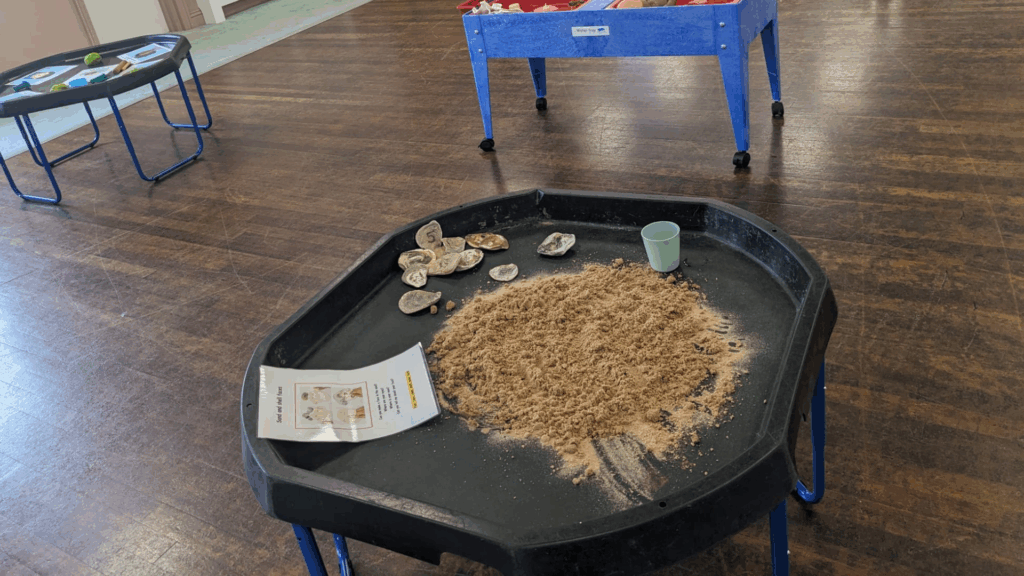
Headstart Nursery is a friendly, warm environment with qualified and experienced practitioners who are regularly trained by the local council. In our foundation stage education (0 – 5 years old), the children learn skills needed to become strong, confident individuals who are proficient in learning and attaining through positive relationships in an enabling environment. We understand that every child is unique and we aim to provide a well-rounded curriculum in stimulating and interactive surroundings. We offer situations and activities which provide our children with access to the different areas of learning and development.
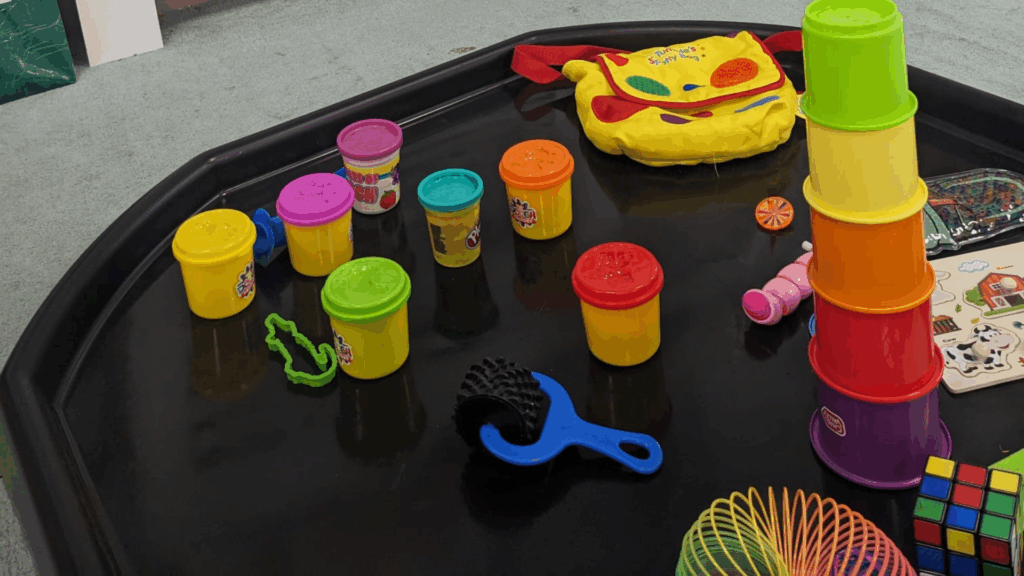
We recognise that each child learns and develops in different ways and at individual rates; our commitments are focused around play and exploration, active learning, creativity and critical thinking.


We’ve systematised our approach and focus on the ‘7 Areas of Learning and Development’.


We provide sleeping, changing and feeding areas for very young children and ensure we meet and, where possible, extend beyond the statutory requirements the government has provided.

Autumn Term 2025


1.1

Mon 1st Sept ‘25

Half Term

Mon 27th Oct ’25- Fri 31st Oct ‘25

1.2 

Mon 3rd Nov ‘25

End of term

MP Thurs 11th Dec ‘25
CH End of term Thurs 18th Dec ‘25

Spring Term 2026


2.1

Mon 5th Jan ‘26

Half Term

Mon 16th Feb – Tues 17th Feb ‘26

2.2

Weds 18th Feb ‘26

Eid al Fitr holiday

Wed 18th March & Thur 19th March ‘26

End of term
EY re-open for one week  Mon 23rd March ‘26
EY Last day of term Thurs 26th March ‘26

Summer Term 2026


3.1

Wed 8th April ‘26

Bank Holiday (HS closed)

Monday 4th May 26

Half term

Mon 25th May – Fri 29th May ‘26

Parents day for EY

Monday 1st June ’26 (no children on site)

3.2

Tues 2nd June’26

End of Year family Trip / Eid party

Tues 2nd June ‘26

End of year
Thurs 16th July ‘26

Areas of learning 

Three Prime Areas


Communication and Language: This involves giving children prospects to experience a rich language environment; to develop their confidence and skills in expressing themselves; and to speak and listen in a range of situations.


Physical Development: This involves providing opportunities for young children to be active and interactive, and to develop their co-ordination, control, and movement. Children must also be helped to understand the importance of physical activity and to make healthy choices in relation to food. We provide outdoor learning opportunities by implementing outdoor activities in the local park and through local trips. We provide regular environmental walks in which they can absorb the quirks and characteristics of the environment.


Personal, Social and Emotional Development: This involves helping young children to develop a positive sense of themselves and others; to form positive relationships and develop respect of others; to develop social skills and to manage their feelings; and to understand appropriate behaviour in groups and have self-confidence of their own capabilities.

Four Specific Areas


Literacy Development: involves encouraging children to link sounds and letters and to begin to read and write. Children are given access to a wide range of reading materials (books, poems, etc.) to ignite their interest. This can occasionally involve a dual language approach as many of our children are skilled and from multilingual backgrounds.


Mathematics: involves providing children with opportunities to develop and improve their skills in counting, understanding and using numbers, calculating simple addition and subtraction problems, and to describe shapes, spaces, and measure. We do our utmost to link basic mathematical principals to the environment around them, helping them to, in essence, discover mathematics.


Understanding the World: involves guiding children to make sense of their physical world and their community through opportunities to explore and observe. Children are encouraged to find out about people, places, technology and the environment.


Expressive Arts and Design: involves enabling children to explore and play with a wide range of media and materials, as well as providing opportunities and encouragement for sharing their thoughts, ideas and feelings through a variety of activities in art, music, movement, dance, role-play, and design and technology.

Optional Areas


Optional Qur’an Recitation: Learning and memorising the last ten sūrahs/suwar of the Qur’an and some duʿā in a fun-loving method pitched down to the children’s level.


Arabic Language: Learning the basics of the Arabic alphabet, numbers, vocabulary and name writing. This is ideal for students aged 4 and 5.

Phonics and Collaborative Development


We teach phonics from letters and sounds combined with Jolly Phonic actions. It is best that we work in partnership with parents and guide you in how best to teach reading for children at this vital, young age. As such, we encourage parents to come along once a week to enjoy reading and activities, and to get involved with their child’s education.

We will invariably provide parents and carers with subject breakdowns every half term. These encompass a range of activities that you can engage with at home with your child. For children aged 3+, the breakdown/activities will cover all of the ‘7 Areas of Learning and Development’. Two year olds, however, need only focus on the ‘Three Prime Areas’

Trips and Outings


We provide trips every term and encourage parents to come along and join us in order to share new experiences with their children. Examples of some of the trips we have arranged include:

  • Airport Trips
  • Discovery Centres
  • Fire Stations
  • Indoor Soft Play
  • Interactive Museum Activities
  • Learning at the Post Office
  • Mini-Beast Hunting
  • Royal Observatory and Planetarium
  • Shopping Trips
  • Suntrap Farms

Professional Visits


We also invite external professionals to come and visit our children, giving the children an opportunity to listen to and be inspired by police officers, fire officers, doctors, nurses etc. We’ve even had a few owls and other pets come in over the years! We try to offer a range of experiences, some forming unique and unusual experiences, whilst others encourage familiarity with day to day tasks and promote basic life skills.

Finally, at the end of each year, we provide a family outing where immediate and extended family join us in promoting amity and kinship.

Ofsted

As with all things, Headstart must ensure transparency and accountability not only to our staff, students and parents, but to any overarching government body tasked with duties of care. We work together with Ofsted, the Local Authority, the Home Education Department and the Department for Education in order to maintain high standards and improve where possible and necessary.


Ofsted’s most recent inspection report is attached below, and you’ll note that we are considered a ‘Good’ provider across all attainment areas. We were – and are still – particularly pleased that Ofsted noted not only the “…good progress in learning and development…” that our students make, but that our “…friendly, warm atmosphere ensures they [the students] feel valued, safe and secure”. This is incredibly important for us as, here at Headstart, we try our utmost to cultivate a culture of support and collaborative social and academic learning.